
Build Budgets Around What You Actually Do
Most finance teams spend weeks creating budgets that get outdated the moment priorities shift. We teach a different approach. Activity-based budgeting connects your spending directly to the work that drives results. No more guessing where money goes or why certain departments always run over.
View Program Details
Understanding Cost Drivers Through Activity Analysis
Traditional budgeting asks departments how much they need. Activity-based budgeting asks what they do and what each activity costs. It's a fundamental shift that reveals patterns most finance teams never see.
Map Real Workflows
Start by documenting what actually happens in your business. Every process, every decision point, every handoff between teams. This isn't theoretical. We work with real data from your operations to build accurate activity models.
Connect Costs to Activities
Most organisations know their total costs but can't explain why they exist. Activity-based budgeting traces every dollar to specific work. You'll see exactly what drives spending in each department and where efficiency gains matter most.
Make Informed Decisions
When you understand cost drivers, budget conversations change completely. Instead of defending line items, managers discuss strategic priorities. Finance teams can model different scenarios and show real impact before committing resources.


Practical Skills for Modern Finance Teams
Our curriculum focuses on implementation over theory. You'll work through real budgeting challenges using activity-based methods that organisations across Australia are adopting for better visibility and control.
The program runs from September 2025 through March 2026, with monthly sessions structured around your current budget cycle. Most participants join while preparing their annual budgets so they can apply techniques immediately.
- Activity identification and cost driver analysis using your own data
- Resource allocation models that reflect actual business operations
- Variance analysis methods that explain why performance differs from plan
- Scenario planning tools for evaluating strategic options
- Communication frameworks for explaining budget decisions to stakeholders
Each module includes case studies from Australian organisations that have transitioned to activity-based budgeting. You'll see what worked, what didn't, and how they managed change across finance and operational teams.
Learn From Practitioners Who've Done This Work
Our instructors have implemented activity-based budgeting in organisations ranging from mid-sized businesses to large enterprises. They understand the technical requirements and the human challenges of changing how finance teams operate.
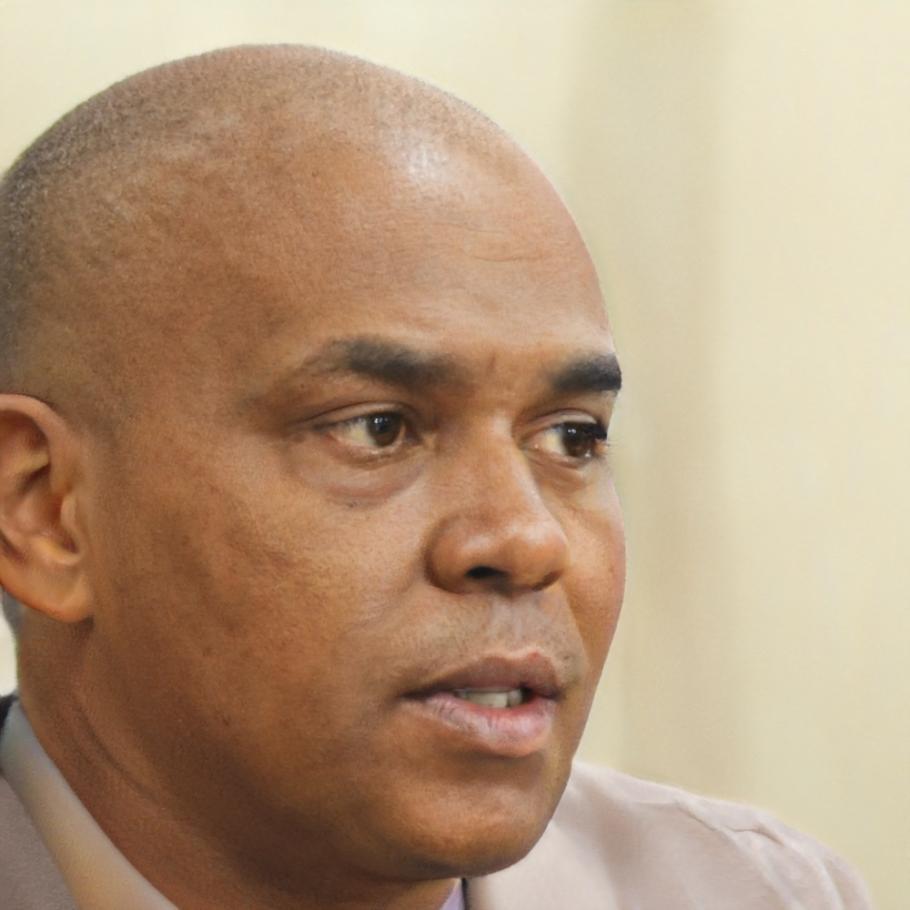
Thorsten Lindqvist
Finance Systems Specialist
Spent twelve years helping organisations redesign their budgeting processes. His focus is on making activity-based methods practical for teams without dedicated financial planning software. Most of his examples come from manufacturing and professional services sectors.

Aleksei Valtonen
Management Accounting Consultant
Works with finance teams transitioning from traditional to activity-based approaches. He's particularly good at explaining cost behaviour and helping organisations identify which activities actually create value versus those that just consume resources.